.png)
Panchakarma
The Classical Fivefold Cleansing System of Ayurveda
Table of Contents
Introduction
The techniques and methods of Panchakarma treatment are deeply rooted in the ancient Ayurvedic texts such as the Charaka Samhita and Sushruta Samhita. These therapies were described as early as 1500 B.C., nearly 5000 years ago. 1. To eliminate aggravated doshas before they can disrupt physiological balance, thereby maintaining health.
Snehana is the process of lubricating and nourishing the body using unctuous substances such as ghee and oils. This loosens morbid matter, enhances the resilience of tissues, and prepares the body for purification therapies.
In Ayurveda, Snehana is of two types:
Among all internal oleation methods, Shodhana Sneha-pana is specifically used to prepare the body for purification (Shodhana).
This therapy lubricates the channels of the body, allowing doshas to be loosened and expelled. It also enhances tissue strength so the body can tolerate Panchakarma cleansing more effectively.
The selected ghee or oil is consumed early in the morning on an empty stomach, after the previous day's food has been properly digested.
The dose is tailored to the patient's digestive capacity and disease condition. It is gradually increased daily (e.g., 30 ml ? 60 ml ? 90 ml) and is continued for 3-7 days until the body is sufficiently lubricated.
Completion is determined by clinical signs assessed by a physician.
Because dose adjustment is critical, Internal Snehana must always be performed under the supervision of a trained Ayurvedic physician.
In Abhyanga, oils, ghee, or medicated fats are applied externally to the body. The oil penetrates through the skin pores, nourishes tissues, and pacifies Vata Dosha.
Oil selection based on climate:
Daily Abhyanga is recommended for all healthy individuals. Special emphasis is given to head massage, foot massage, and even instilling a few drops of warm oil into the ears.
After Abhyanga, Swedana (sudation) or a warm water bath is advised. Harsh soaps should be avoided; instead, herbal ubtan (scrub powder) may be used.
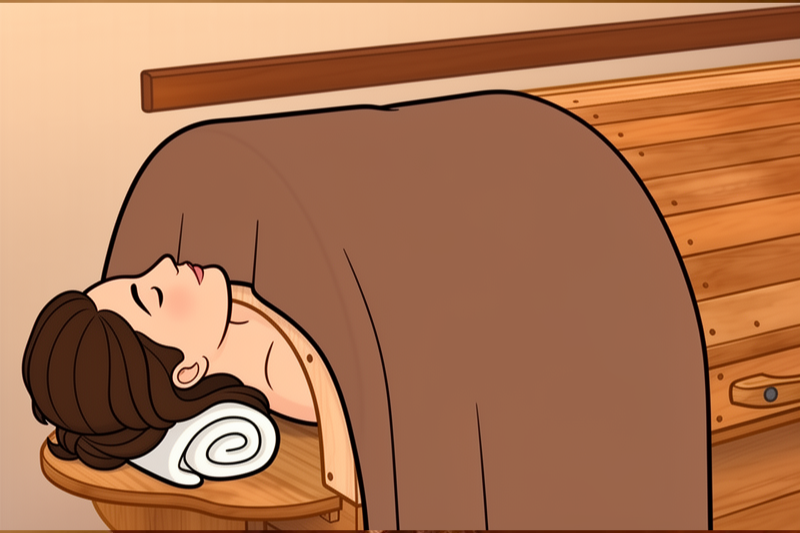
Swedana refers to inducing perspiration using controlled heat.
Sweating dilates body channels, dislodges Doshas, and facilitates their movement
toward the gastrointestinal tract for elimination.
It is one of the most important preparatory procedures in Panchakarma, usually
performed after oleation therapies.
Swedana can be done through various methods, depending on the condition and
the part of the body involved:
The duration of Swedana is usually about 10-15 minutes, or until proper
sweating is achieved without excessive discomfort.
Swedana is typically combined with Snehana (internal or external oleation)
for best results, as the oil loosens the Doshas and the heat mobilizes them toward the gut.
Benefits of therapeutic sweating include:
While Swedana is highly beneficial when done correctly, excessive or improper
sudation can cause:
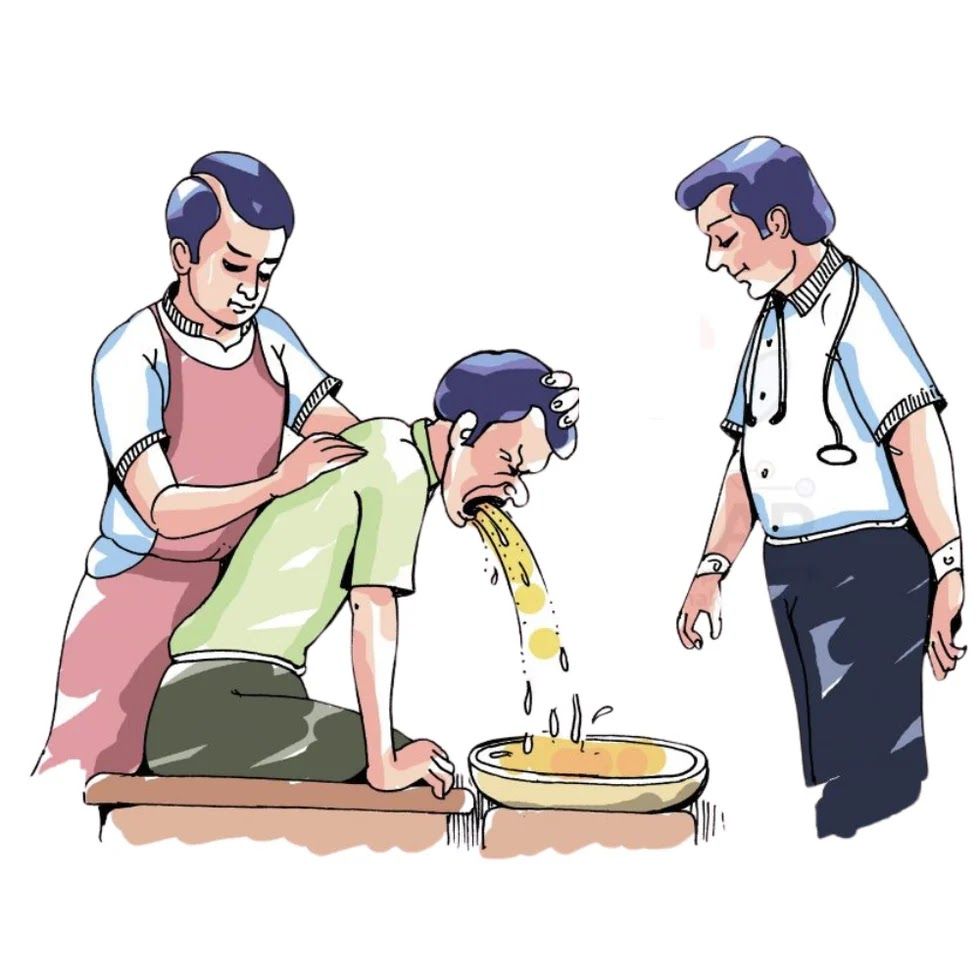
The word Vamana means "therapeutic vomiting." In Ayurveda, it refers to a
scientifically guided procedure where vomiting is deliberately induced using
specific herbal formulations to eliminate aggravated Kapha Dosha and, to some extent, Pitta.
Unlike random vomiting caused by irritation or salt water, Ayurvedic Vamana is a
structured, physician-guided detoxification therapy with clear stages, indications,
and expected outcomes.
Vamana is highly beneficial in Kapha-dominant and Kapha-Pitta mixed disorders:
Since Vamana is an intensive purification therapy, the body must be prepared properly.
This preparation mobilizes the Doshas and brings them into the stomach for removal.
On the day of Vamana, the sequence is structured and monitored carefully:
Common liquids used:
After consuming a few glasses, medicinal vomiting begins. The expulsion generally follows
this classical sequence:
The full process usually takes 70-90 minutes, during which the physician observes
the quantity and quality of expelled Doshas to evaluate success.
After Vamana, Dhumapana (medicated herbal smoking) is administered to clear any
remaining Kapha in the respiratory tract, followed by Gandusha (herbal gargles).
Proper aftercare ensures digestion and strength return gradually:
As Vamana requires taking large amounts of therapeutic liquids and following strict guidance,
patient cooperation and discipline are essential for success.
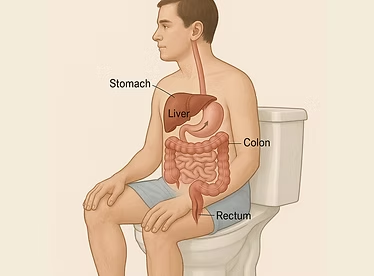
Virechana is the therapeutic induction of controlled purgation to expel
aggravated Doshas - primarily Pitta, and secondarily Kapha -
through the downward route of the gastrointestinal tract.
Unlike ordinary laxatives, Virechana has a deeper purpose: to eliminate not only waste
products but also the root cause of disease lodged in tissues.
Virechana is indicated in a wide range of Pitta-dominant and systemic disorders, such as: Virechana should not be performed in:
Similar to Vamana, the body is prepared with 5-7 days of Snehana and Swedana.
Once the Doshas are sufficiently loosened and collected in the GI tract, Virechana can be
administered.
Elimination usually begins within 2-3 hours, producing about
5-20 bowel evacuations, depending on the dose and individual factors.
Signs of proper Virechana:
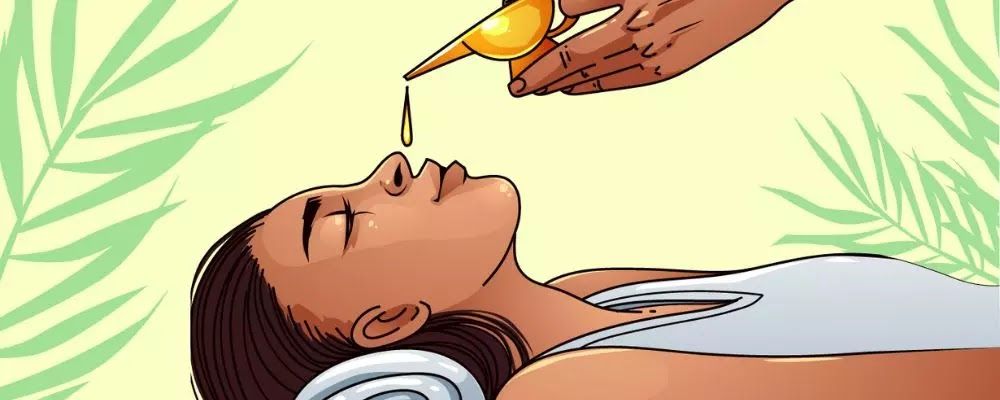
In Ayurveda, the nose is considered the gateway to the head and brain.
Nasya is a therapeutic procedure in which medicinal substances are
administered through the nostrils to eliminate Doshas accumulated in the head, neck, and face.
Depending on the medicine used, Nasya can be either nourishing (strengthening, tonifying)
or purifying (cleansing and detoxifying).
The Nasya procedure is carried out in a systematic and gentle way:
Nasya is beneficial in a wide range of conditions involving the head, neck, and senses,
particularly where Vata and Kapha are aggravated.
Nasya should not be performed in the following situations:
Regular and properly administered Nasya can offer a broad spectrum of benefits for both
prevention and treatment:
Long before the advent of intravenous fluids, the physicians of Ayurveda administered
numerous herbal preparations directly into the anal canal to reach the deep tissues of
the body and manage various acute and chronic disorders. This form of treatment is known
as Basti in Ayurveda.
Though commonly translated as "Enema Therapy," Basti Therapy far exceeds the
Western understanding of enemas. It utilizes a wide range of medicinal substances
to treat very specific disorders.
The word Basti literally means "bladder." In ancient times, prior to the invention
of catheters and syringes, physicians used cleaned and fashioned urinary bladders of animals
to administer herbal preparations. Today, enema bags, pots with catheters, and syringes are used.
The concept of Basti also extends to the administration of herbal preparations through the
vagina and urethra, which is specifically called Uttar Basti.
Basti Therapy is most commonly used for disorders of Vata Dosha. Through Basti,
herbal preparations are absorbed through the large intestine and spread throughout the body
into the deepest tissues, pulling aggravated Doshas back into the colon.
Since the large intestine is the main seat of Vata, Basti is especially effective for
Vata disorders. However, it can also be employed in Pitta and Kapha disorders by modifying
the herbal preparations.
For Kapha Dosha, for example, Bastis are administered with Kapha-reducing (scraping) substances
and appropriately chosen Snehas.
Basti Therapy is divided into two main categories:
In Niruha Basti, a strong herbal decoction is first prepared. To this, ingredients such as:
are added according to the classical formula. Niruha Basti expels aggravated Vata and
accumulated wastes from the body.
Anuvasana Basti primarily contains oil or ghee. While Niruha Basti emphasizes expulsion,
Anuvasana Basti pacifies and nourishes Vata within the system, lubricating tissues and
preventing excessive dryness.
Before administering Basti Therapy, the body is prepared through:
These procedures strengthen tissues, widen internal channels, and encourage Doshas to move into
the gastrointestinal tract. Often, external Snehana and Swedana are applied locally to the back,
abdomen, and thighs depending on the disorder.
After Abhyanga and Swedana, the patient lies prone with the left leg extended and the right knee bent.
A small amount of oil is applied to the anus, and then a well-lubricated catheter is gently inserted
in the direction of the vertebral column. The Basti fluid is administered gradually with uniform pressure.
Afterwards, the patient lies supine with hips elevated on a pillow until the urge to evacuate arises.
For therapeutic purposes, Niruha and Anuvasana Bastis are often alternated in a planned sequence,
sometimes for extended periods up to a month.
Niruha Basti is useful in: Anuvasana Basti is indicated in conditions such as:
As mentioned earlier, Uttar Basti refers to therapeutic enemas administered through
the vaginal or urethral passages. Special medicated oils and Snehas are chosen
depending on the specific disorder.
It is indicated in:
Preparatory cleansing with Snehana and Swedana enhances the efficacy of Uttar Basti. Vaginal
douching with specific herbal decoctions, known as Yoni Dhavana, is also performed
prior to therapy.
The procedure is usually carried out immediately after menstruation, by inserting a
catheter through the cervical passage. Following Uttar Basti, medicated tampons called
Picchus are placed inside.
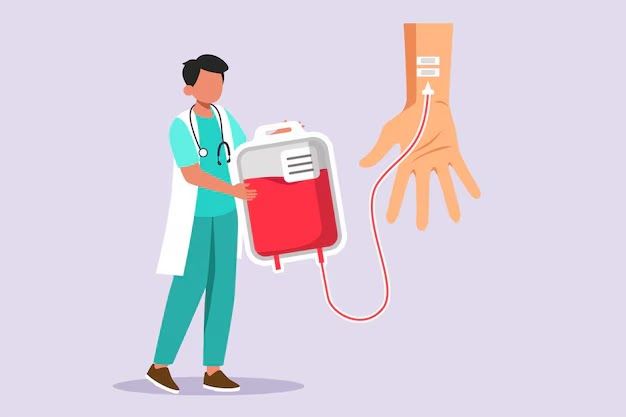
Raktamokshana literally means "release of blood." It is the process of removing
vitiated (impure) blood from the body and has parallels in many ancient as well as modern
medical traditions.
In Ayurveda, Raktamokshana is performed either surgically (venesection) or
para-surgically (using leeches, cupping, scratching, or suction). It is considered a
Shodhana (purification) therapy, indicated when the blood itself is vitiated and
carries Doshas throughout the body.
Where Vamana is best for Kapha, Virechana for Pitta, and
Basti for Vata - Raktamokshana is prescribed when the blood itself
is corrupted.
Blood becomes impure due to long-term exposure to certain foods, habits, and emotional states.
Common causes include:
As the body attempts to eliminate this vitiation, toxins tend to rise toward the surface.
During Raktamokshana, this impure blood is removed first, stimulating the production of
fresh, healthy blood.
Typical quantities removed are:
Autumn is considered the ideal season for Raktamokshana, as the weather is
relatively balanced and clear.
If needed, the procedure may also be performed in:
Raktamokshana is beneficial in a wide range of conditions where blood and Pitta are
prominently involved. It can bring almost instantaneous relief in some cases.
However, it is contraindicated in:
Different methods are selected based on the nature of the disease, the Dosha involved,
and whether the pathology is local or systemic.
Leech therapy is especially gentle and almost painless, making it suitable
even for children and the elderly.
Leeches secrete a natural substance called Hirudin, which prevents clotting
and allows effective, controlled blood withdrawal from the affected site.
In Ayurveda, leeches are preserved and reused after a proper purification process using
turmeric, oil, and rock salt. This ensures both safety and effectiveness.
After Raktamokshana, the body is in a sensitive, cleansing phase. Proper aftercare is
essential to support recovery and the formation of fresh, healthy blood.
Raktamokshana, though apparently simple, is a profoundly effective therapy when used
judiciously. By directly removing vitiated blood, it acts at a deep level to purify the body and
restore balance.
Just as Basti is considered half the treatment for many Vata disorders, Ayurvedic
tradition regards Raktamokshana as half the treatment in many blood-borne and
Pitta-dominant diseases. When performed under the guidance of a skilled Vaidya, it can offer
remarkable relief and long-term healing.
Strictly speaking, Panchakarma is not a singular treatment or a fixed sequence of therapies. Rather, it refers to five therapeutic procedures designed to eliminate aggravated doshas (Vata, Pitta, Kapha) from the body, thereby restoring health. Ideally, these procedures should also be undertaken by healthy individuals during moderate seasons, avoiding times of extreme heat, cold, or heavy rainfall.
Purpose of Panchakarma
2. To support the optimal functioning of body tissues, delaying aging and promoting active longevity.
3. To maintain the equilibrium of doshas and ensure robust physiological functioning, while also helping to treat various diseases
In short, Panchakarma therapy works as a kind of "servicing" of the body, which is constantly active and exposed to wear and tear.
Panchakarma' is a classical therapeutic treatment, though in modern times, the term has acquired a commercial value. Popular therapies such as Shirodhara and oil massage are often mistakenly considered part of Panchakarma. In reality, such treatments are traditional Ayurvedic therapies useful for certain ailments, but they do not constitute Panchakarma.
Since Panchakarma eliminates large amounts of doshas, it is often compared to "physiological surgery." Just like surgery, it requires strict adherence to preparatory and post-procedure regimens of diet and lifestyle. It must only be carried out under the supervision of a trained Ayurvedic physician (Vaidya).
Panchakarma can be planned for both healthy and diseased individuals after proper evaluation of constitution (Prakriti), current disease status, and strength. For a healthy person, it acts as a preventive and rejuvenative investment, while for a diseased person, it acts as a therapeutic intervention.
Before we explore the five main Panchakarma procedures, we bow at the lotus feet of Lord Dhanvantari and our Guru, seeking their blessings to present the true and pure concept of Panchakarma to society, and to stop the misrepresentation of traditional therapies as Panchakarma.
Preparatory Procedures
Before undergoing the intensive cleansing therapies of Panchakarma, the body must be prepared with a series of preliminary procedures. The two most important are:
1. Snehana - Oleation therapy
2. Swedana - Sudation (sweating) therapy
Proper application of these therapies ensures the effectiveness of the main Panchakarma procedures..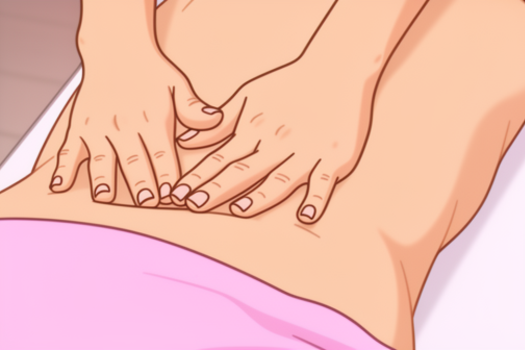
Snehana Therapy
Internal & External Oleation - Foundation of Panchakarma
What is Snehana?
Internal Snehana (Sneha-pana)
External Snehana (Abhyanga)
Benefits of Abhyanga
Swedana
Sudation Therapy - Therapeutic Sweating in Ayurveda
What is Swedana?
Methods of Swedana
Duration & Combination with Other Therapies
Benefits of Swedana
Precautions & Overuse
Vamana
Emetic Therapy in Ayurveda
What is Vamana?
Indications
Preparatory Phase
The Procedure
Signs of Successful Vamana:
Post-Therapy Care
Virechana
Purgation Therapy for Pitta & Kapha Disorders
What is Virechana?
Indications
Contraindications
Preparatory Phase
The Procedure
A light breakfast (commonly Moong dal preparation) is given soon after
sunrise.
Post-Therapy Care
Nasya Therapy
Ayurvedic Nasal Treatment for Head, Neck & Sense Organs
What is Nasya?
Procedure
Indications
Contraindications
Types of Nasya
An intensive, therapeutic form of Nasya performed under a physician's supervision,
using specific medicated oils or decoctions tailored to the disease.
A mild, daily preventive practice in which about 2 drops of oil or ghee are
instilled into each nostril. It is considered safe for all ages and all seasons
when done correctly.
Benefits of Nasya

Basti Therapy
Classical Ayurvedic Enema Treatment
What is Basti Therapy?
Basti & the Doshas
Types of Basti Therapy
Niruha Basti (Decoction Enema)
Anuvasana Basti (Oil Enema)
Preparatory Measures
Administration Guidelines
Indications
Uttar Basti
Rakta Mokshana
Therapeutic Bleeding in Ayurveda
What is Raktamokshana?
Causes of Vitiated Blood
Seasonal Considerations
Indications & Benefits
Methods of Raktamokshana
Used when there is systemic blood vitiation, spreading Doshas throughout the body.
Series of fine superficial scratches, useful in local Kapha and blood disorders near the skin.
Applied for Vata disorders and deeper impurities, often over muscles and joints.
Ideal for Pitta and localized, inflamed conditions where a gentler approach is needed.
Leech Therapy - Gentle & Effective
Aftercare & Diet
Conclusion